

You’ve got a box full of branded merch. Custom t-shirts, pens with your logo, keychains, maybe even portable phone chargers. They look great. But here’s the thing: promotional products don’t do anything sitting in your office. The real challenge isn’t picking the right item. It’s getting those items into the right hands, at the right time, in a way that actually moves the needle for your brand.
At RiverCity Screenprinting & Embroidery, we’ve helped businesses across Central Texas create thousands of promotional products over the years. We’ve also seen what works (and what doesn’t) when it comes to distribution. Here’s a practical breakdown of the best strategies for getting your branded items out into the world where they can do their job.
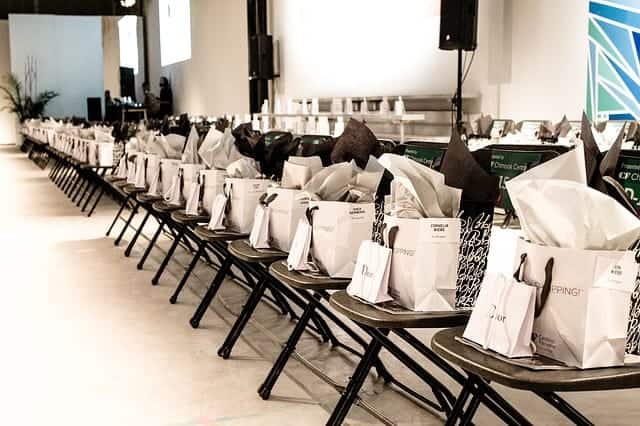
Trade Shows and Industry Events
Trade shows remain one of the highest-impact ways to distribute promotional products. The audience is already interested in your industry. They showed up on purpose. That built-in intent makes every branded item you hand out more likely to stick.
A few tips for making trade show giveaways count:
- Pick items people will carry around the event. Tote bags, water bottles, and lanyards get seen by hundreds of other attendees throughout the day. A stress ball? It goes in a bag and disappears.
- Create a reason to stop at your booth. A spinning wheel, a quick game, or a simple question-and-answer contest draws foot traffic. The promotional item becomes the prize, and people remember the interaction.
- Don’t just hand things out to everyone who walks by. Have a quick conversation first. Get a business card or scan a badge. You want leads, not just an empty box at the end of the day.
- Think about what travels home. Trade show attendees bring items back to their offices, families, and friends. A unique or useful product can expose your brand to dozens of additional people from a single event.
Direct Mail Campaigns
Physical mail might feel old-school, but it works precisely because most marketing has gone digital. A branded item arriving in someone’s mailbox stands out in a way that another email never will.
Direct mail promotional items work well when you:
- Pair them with a postcard or coupon. Attach a small product (like a branded pen, magnet, or single-use hand sanitizer packet) to a card with a clear call to action.
- Use your existing mailing list. Past customers and warm leads are the best audience for a direct mail campaign. They already know who you are, so the branded item reinforces that connection.
- Include a permission request. If you’re mailing to prospects for the first time, ask if they’d like to receive future promotional materials. This builds your list for next time and keeps you on the right side of customer preferences.
- Budget realistically for shipping. Postcards with attached flat items are cheap to mail. Bulkier products like branded mugs or t-shirts cost more to ship, so save those for high-value prospects or VIP customers.
Social Media Giveaways
Social media turns a single promotional product into a marketing event. Instead of handing out one item to one person, you can generate dozens or even hundreds of interactions around it.
The basic formula is simple: offer a branded item in exchange for engagement. Like this post. Tag a friend. Share your story about how you use our product. Follow our page for a chance to win. Each of these actions spreads your brand to new audiences organically.
A few things that make social media giveaways more effective:
- Make the rules dead simple. If people have to fill out a form, follow three accounts, share to their story AND leave a comment, most won’t bother. One or two actions max.
- Set a clear deadline. “Winner announced Friday at noon” creates urgency and gives you a natural follow-up post.
- Show the actual product. A good photo of the branded item (especially something people actually want) drives more engagement than a generic graphic.
- Follow through publicly. Announce the winner, post a photo of them with the item if possible. It builds credibility for your next giveaway.
Contests and Competitions
Contests take the giveaway concept a step further by adding a competitive element. This works especially well at in-person events, but online contests can generate serious engagement too.
The key is making the contest easy enough that you get lots of participants but engaging enough that people actually care about winning. Ask a trivia question related to your industry. Run a “best photo” contest featuring your products. Do a bracket-style vote on social media.
When promotional items serve as prizes, you accomplish two things at once: the contest creates buzz and engagement, and the winners become walking advertisements for your brand. People who win something feel a genuine connection to the company that gave it to them. That’s worth more than any ad impression.
Employee and Team Distribution
Your own employees are some of your best brand ambassadors, and they’re often overlooked when it comes to promotional product distribution.
Branded welcome kits for new hires make a strong first impression. Include a custom t-shirt, a quality pen, a notebook, and maybe a sticker or two. It costs very little per person, and new employees who feel welcomed are more likely to wear and use branded gear outside of work.
Employee care packages work well for remote teams or during busy seasons. Send a box with branded items along with some treats or practical supplies. It builds morale internally and puts your brand out in the world when employees use those items at coffee shops, gyms, and around their neighborhoods.
Staff at events should always be wearing and using your branded products. It seems obvious, but plenty of businesses show up to community events with boxes of promotional items and nobody on their team is actually wearing the custom shirts they paid to have printed. Your team is your most visible billboard.
Virtual Event Swag Bags
Online conferences, webinars, and virtual networking events are a permanent fixture now. One of the best ways to make a virtual event memorable is to send physical swag bags to attendees ahead of time.
Ship a small kit with branded items that people can use during the event: a notebook, a pen, a coffee mug, maybe a snack. When attendees open these on camera, your brand gets organic visibility. It also creates a tangible connection to what would otherwise be a purely screen-based experience.
The logistics take planning. You’ll need attendee addresses collected during registration and enough lead time for promotional product shipping. But the impact is real. People remember the virtual event where they actually received something in the mail far more than the one that was just another Zoom call.
Grassroots and Community Events
Local events offer something trade shows can’t: genuine community connection. Sponsoring a 5K, setting up at a farmers market, or partnering with a local nonprofit puts your brand in front of people in a relaxed, positive setting.
For businesses in the San Marcos area and along the Austin to San Antonio corridor, there’s no shortage of community events to get involved with. University events, local festivals, charity runs, chamber of commerce mixers. These are all opportunities to hand out branded products to people who live and work in your service area.
The key with grassroots distribution is choosing items that fit the event. Water bottles and cooling towels at an outdoor run. Tote bags at a farmers market. Pens and notepads at a business networking event. When the item matches the moment, people use it right away, and your brand gets immediate visibility.
Guerrilla Marketing with Promotional Items
Sometimes the most effective distribution is the most unexpected. Guerrilla marketing promotional items are about putting your brand in places people don’t expect to find it, which makes the interaction memorable.
Leave branded items at coffee shops (with permission), partner with complementary businesses to include your promotional products in their bags, or create a scavenger hunt around town where the “treasure” is branded merch. These approaches work especially well for local businesses trying to build name recognition in a specific area.
The trick with guerrilla distribution is to keep it fun and genuine. Nobody likes feeling tricked into a sales pitch. But finding a free branded item in an unexpected place? That feels like a small gift, and it creates positive associations with your company.
Contactless and Low-Touch Distribution
Not every distribution situation calls for a handshake and a face-to-face conversation. Sometimes you need options that minimize direct contact while still getting products into people’s hands.
A few approaches that work well:
- Partner with other businesses. Donate products or a meal to staff at a local business and include a batch of your branded items with the delivery. Items like pens, sanitizer bottles, or small keychains are perfect for this. The receiving business gets a nice gesture, and your promotional products reach a new audience.
- Self-serve displays. Set up a small display at a partner location, community center, or waiting room where people can grab a branded item on their own.
- QR code redemption. Place signs or cards with a QR code that lets people request a promotional product be mailed to them. This also captures contact information for future marketing.
- Drop-off kits. Assemble small branded kits and deliver them to businesses, apartment complexes, or community organizations. No in-person interaction required, but the items still reach real people.
Rewards and Loyalty Programs
Rewards programs turn promotional products into an ongoing relationship rather than a one-time interaction. When customers earn branded items through purchases or engagement, those items carry more perceived value because they were earned, not just handed out.
You can structure this a few ways:
- Points-based systems where customers accumulate credits toward branded merchandise
- Purchase thresholds (spend a certain amount, get a free branded t-shirt)
- Referral bonuses where customers earn promotional items for bringing in new business
- Tiered programs where higher levels unlock better branded products
The beauty of a rewards program is that it keeps customers coming back while simultaneously spreading your brand. Every branded item earned through a loyalty program goes home with someone who already likes your business. That’s about as targeted as marketing gets.
Choosing Products That Get Used
No matter how you distribute your promotional items, the single most important factor is choosing products people will actually keep and use. A cheap pen that runs out of ink after three days doesn’t build brand awareness. It builds frustration.
Think about practical, quality items:
- Everyday carry items: Pens that write well, keychains, phone wallets, portable chargers
- Wearables: T-shirts that fit comfortably and look good, hats with clean designs
- Drinkware: Water bottles, travel mugs, koozies (especially popular in Texas)
- Seasonal items: Sunscreen packets and cooling towels for summer events, beanies for winter
- Safety and hygiene items: Hand sanitizer bottles, first aid kits, tissue packets
When you invest in quality, your logo stays in front of people for months or even years. A well-made branded water bottle gets used daily. That’s hundreds of impressions from a single item.
Also, put thought into your design. Keep logos clean and readable. A simple, well-placed logo on a shirt, or bag is more memorable than a cluttered design crammed with slogans and contact information. Let the product do the talking.
Frequently Asked Questions
What’s the best way to distribute promotional products at trade shows?
Focus on items people will carry around the event floor like tote bags, water bottles, or lanyards. Create a booth activity that naturally leads to conversation rather than just handing items out randomly. Always collect contact information in exchange for premium items.
How do I make social media giveaways more effective?
Keep entry requirements simple (like + follow, or tag a friend). Set clear deadlines, show high-quality photos of the actual product, and announce winners publicly to build credibility for future giveaways.
What promotional products work best for virtual events?
Ship useful items attendees can use during the event: branded notebooks, pens, coffee mugs, or snacks. When people open these packages on camera during virtual meetings, your brand gets organic visibility across the entire event.
How do I choose promotional products that people will actually keep?
Focus on practical, quality items people use daily: well-writing pens, comfortable apparel, durable drinkware, or useful tech accessories. Avoid cheap items that break quickly—they create negative brand associations.
What’s the most cost-effective distribution strategy for local businesses?
Community events and grassroots marketing offer excellent ROI for local businesses. Partner with community organizations, sponsor local events, or set up at farmers markets where you can directly connect with potential customers in your service area.
Build Your Distribution Strategy
The best promotional product campaigns use multiple distribution channels together. Run a social media giveaway to build excitement, hand out items at a local event, mail branded kits to your top customers, and make sure your employees are repping the brand every day.
Start with one or two methods that fit your budget and audience, then expand from there. Track what works by asking new customers how they heard about you. Over time, you’ll build a distribution strategy that consistently puts your brand in front of the right people.
Looking to create promotional products that people actually want to keep? RiverCity Screenprinting & Embroidery in San Marcos, TX has been helping businesses across Central Texas design and produce custom branded merchandise for years. From screen-printed t-shirts to embroidered hats to all kinds of promotional items, we’ll help you find the right products for your next campaign.
Browse our promotional products catalog or contact us to discuss your distribution strategy.