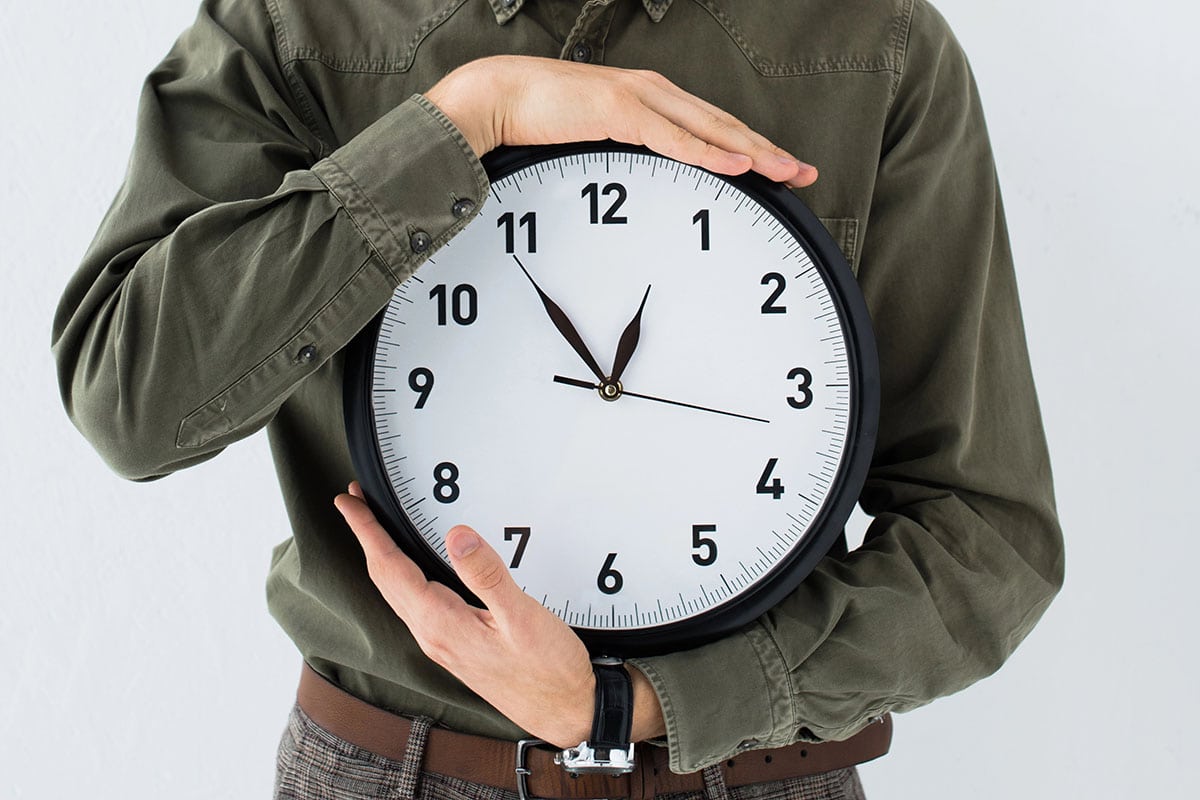
When you’re ordering custom apparel, timing matters as much as quality. Whether it’s a trade show, company launch, fundraiser, or team event, you need to know when your shirts, polos, or hats will actually show up.
Print shops hear this question constantly. The honest answer: it depends. Order size, artwork readiness, garment availability, and how busy the shop is all play a role.
The Standard Turnaround: 7 to 10 Business Days
Most professional print shops work on a 7 to 10 business day turnaround from the date of final order and artwork approval.
That “from the date of final approval” part trips people up more than anything else. The clock doesn’t start when you send your first email. It starts after every detail is locked in: the digital mock-up is approved, and payment is made. The pre-production phase is where you have the most control over speed.
What Happens After You Place an Order
To understand why it takes 7 to 10 days, it helps to see what’s going on behind the scenes. There’s a lot more to it than pressing a button.
Phase 1: Pre-Production (Usually 1-3 Days, Sometimes More)
This is a back-and-forth between you and the print shop. Delays here push back your delivery date directly.
- Consultation and Quoting: You discuss the project, choose garments, and get a price quote.
- Artwork Submission: You send over your logo or design. If it’s a print-ready vector file, this goes fast. If the artwork needs to be recreated or converted to vector, expect an extra day or two.
- Digital Mock-up and Approval: The shop creates a proof showing your design on the garment with sizing and placement details. You review and approve it before anything moves forward.
Phase 2: Production (Usually 5-7 Days)
Once you give final approval, the shop’s production clock starts.
- Sourcing Garments: Blank shirts, hats, or polos are ordered from the supplier. This typically takes 1-3 business days if items are in stock.
- Screen Printing Setup: Screens are created for each color in the design. Inks are custom-mixed to match your brand’s Pantone colors, and the press is set up for the run.
- Embroidery Setup: Your logo gets “digitized,” which means an artist manually converts your design into a stitch file the embroidery machine can read. This step has a real impact on quality.
- The Production Run: Garments are printed or embroidered.
Phase 3: Post-Production (Usually 1-2 Days)
- Quality Control: Every garment is inspected for accuracy. Misprints get caught and corrected.
- Finishing and Packing: Items are counted, folded, and boxed for shipping or pickup.
What Can Speed Things Up or Slow Them Down
The 7-to-10-day standard is a solid benchmark, but a few things can shift it in either direction.
- Artwork Readiness: This is the single biggest variable. A clean, print-ready vector file keeps everything moving. Needing artwork recreation adds time every single time.
- Order Complexity: A one-color screen print job sets up faster than a six-color design. A simple left-chest embroidery is quicker than a large, detailed design with thousands of stitches.
- Garment Availability: If a specific shirt or hat is backordered from the manufacturer, your project stalls. A good print shop will let you know right away and suggest comparable in-stock options.
- Rush Orders: Most shops offer expedited production for an additional fee. You jump the queue, but you pay a premium for it. Worth it if you’re up against a hard deadline.
- Shop Capacity: Current workload matters. Spring and fall are peak seasons, and timelines may stretch a bit during those months.
FAQs
When does the “clock” for my turnaround time actually start?
It starts the moment you give final, written approval on your digital mock-up and payment has been processed. Not when you request a quote or first submit your artwork. Time spent on revisions or choosing garments is all pre-production.
Why did my simple logo file cause a delay?
You probably submitted a low-resolution raster file (a .JPG or .PNG pulled from a website). Professional printing requires high-quality vector files (.AI, .EPS). Converting your file means someone has to manually redraw it, which takes extra time.
Does embroidery take longer than screen printing?
Production time is often similar, but the setup differs. Embroidery requires a one-time digitizing process that can take about a day. Screen printing requires creating new screens for every job. For repeat orders, embroidery can actually be faster since the digitized file is already done.
Can I get my order faster than 7-10 days?
Yes. Most shops offer rush services where your order gets prioritized. Expect a rush fee anywhere from 25% to 100% of the total order cost, depending on the turnaround you need.
What happens if the garment I want is out of stock?
A professional shop will let you know immediately. They’ll tell you when the item is expected back and suggest in-stock alternatives that match the quality, color, and fit of your original choice.
How long does it take to get custom shirts printed?
Most standard screen printing orders take 7 to 10 business days after artwork approval and garment confirmation.
Does embroidery take longer than screen printing?
Embroidery and screen printing typically have similar turnaround times. First-time embroidery orders may need extra time for digitizing.
Can I get custom apparel in less than a week?
Rush services may allow completion in 3 to 5 business days depending on order size and production availability. Additional fees usually apply.
Why does artwork approval affect turnaround time?
Production can’t begin until artwork is finalized. Delays in proof approval push back the whole timeline.
Are reorders faster than new orders?
Yes. Reorders are often completed faster because artwork and setup files are already on file with the print provider.
Planning for a Smooth, On-Time Order
The best thing you can do is start early and communicate clearly with your printer. Begin the process at least three weeks before your in-hand date. Provide high-quality artwork from the start, and respond quickly when the shop sends proofs for approval.
RCSE will work with you through the entire process and keep you informed at every step.