Ordering embroidered polos or jackets for your team involves more decisions than selecting garments and uploading logos. Placement decisions significantly impact how professional your finished apparel looks, how visible your branding appears, and how recipients feel wearing personalized items.
Whether you’re embroidering company logos, employee names, or combining both elements, understanding placement best practices helps you create polished results. The differences between polo and jacket embroidery add additional considerations worth exploring before finalizing your order. Below, we’ll walk through industry standards and strategic considerations for each, helping you make the perfect choice for polos and jackets.
The Left Chest: The Professional Standard
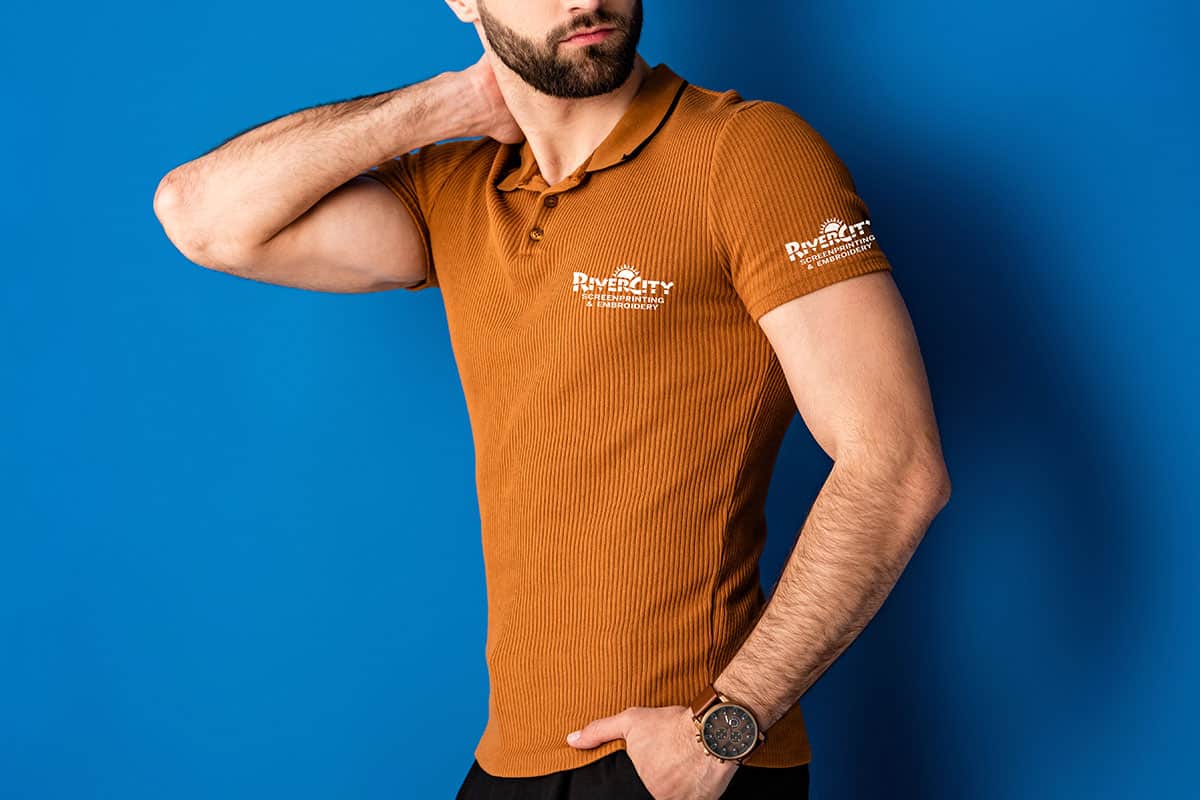
When in doubt, the left chest is the undisputed classic. For decades, this has been the go-to placement for corporate and team apparel, and for good reason. It’s traditional, highly visible, and universally seen as professional.
- Why It Works: Positioned over the heart, a left-chest logo is at eye-level during handshakes and face-to-face conversations. It is immediately noticeable without being overwhelming. This placement conveys a sense of establishment, tradition, and trustworthiness.
- Best For: Company logos, official uniforms, corporate event staff, and any brand aiming for a timeless and professional image.
- Standard Sizing: A typical left chest logo is between 3 and 4 inches wide. The goal is clear visibility without overpowering the garment.
The Sleeve: The Modern Statement
Sleeve placements have become increasingly popular, offering a contemporary and stylish alternative. A logo on the sleeve feels more fashion-forward and can be a subtle yet effective way to display your brand.
- Why It Works: A sleeve logo is less direct than a chest logo, creating a cleaner, more minimalist look from the front. It is also the perfect solution for co-branding. When you choose a garment from a major brand like Nike or Adidas that already has its logo on the chest, placing your company logo on the sleeve creates a deliberate and professional partnership.
- Best For: Modern or tech-focused brands, athletic teams, casual employee gifts, and co-branded apparel.
- Standard Sizing: Sleeve logos are generally smaller, ranging from 1.5 to 3 inches wide, placed about an inch or two above the sleeve hem.
The Right Chest: For Names and Titles
The right chest location serves a very specific and important purpose: personalization. It is the industry-standard placement for an employee’s name, title, or a secondary credential.
- Why It Works: Placing a name on the right chest creates a clear and logical visual hierarchy. The company brand (on the left chest) remains primary, while the individual’s identity is secondary but still clearly visible. This is invaluable for staff at trade shows, in client-facing roles, or at large corporate events.
- Best For: Employee names and job titles. Never place your main company logo on the right chest if the left chest is empty.
Other Strategic Placements for Polos and Jackets
Beyond the big three, a few other locations can be used to add an extra layer of branding.
- Back Yoke: The area on the back of the shirt or jacket just below the collar is a prime spot for a secondary, subtle branding element. It’s perfect for a small company icon, a website URL, or a tagline. It adds a professional touch that is visible as someone walks away.
- Full Back (Jackets): While not suitable for polos, the full back of a jacket is a large canvas perfect for big, bold branding. This is ideal for construction companies, event staff, or any team that needs to be highly visible from a distance.
FAQs
Does the placement change between a polo and a jacket?
The principles for the chest and sleeve placements remain the same for both polos and jackets. The main difference is that a jacket offers more real estate and can handle larger, more complex embroidery due to its heavier fabric. The full back is also a viable option for jackets, whereas it is almost never used on a professional polo.
What is the best size for my embroidered logo?
For a left chest logo, aim for 3 to 4 inches in width. For a sleeve, 1.5 to 3 inches is standard. It is crucial that the logo is not too large or dense, as heavy embroidery can cause the fabric of a polo to pucker. Our embroidery experts can digitize your logo and recommend the optimal size for balance and clarity.
What if my polo or jacket has a pocket on the left chest?
If a garment has a pocket, the standard logo placement is centered directly above the pocket. Embroidering on the pocket itself is not feasible as it would sew it shut. This placement maintains the traditional location while accommodating the garment’s design.
Can I embroider in multiple locations on one garment?
Absolutely. In fact, using multiple locations is a hallmark of highly professional and well-planned custom apparel. A common and effective combination is the company logo on the left chest, an employee’s name on the right chest, and a small website URL on the back yoke.
What is the most professional placement for company logos on corporate apparel?
Left chest placement remains the most universally recognized professional logo position for both polos and jackets. This location conveys an established corporate identity and appears during normal business interactions. While sleeve and back placements work well for specific applications, left chest provides the safest choice when professionalism is the primary concern.
Can I put both a logo and name on the same side of a polo or jacket?
Placing both logo and name on the same side is possible but requires careful execution. Stacking the name below logo on left chest can work with simple logos and short names but risks appearing cluttered. A cleaner approach uses opposite sides, with logo on left chest and name on right chest, creating a balanced appearance. Alternatively, combine left chest logo with sleeve name placement. Discuss your specific design with RCSE to determine whether same-side placement works for your particular logo and name combinations.
Where should employee names be embroidered for best visibility?
Right chest placement provides optimal name visibility during face-to-face interactions while maintaining professional appearance alongside left chest logos. This positioning appears at eye level during conversation and remains visible during handshakes. For employees whose customers frequently approach from behind, back yoke name placement adds visibility from additional angles. Sleeve placement offers a modern alternative when chest positions are occupied.
Does placement affect embroidery pricing?
Each embroidered location incurs separate setup and run charges, so multi-location designs cost more than single-location embroidery. However, placement position itself typically doesn’t affect pricing within the same garment. Left chest and right chest cost the same. Sleeve placement usually matches chest pricing. Back placement may cost slightly more for larger designs due to increased stitch counts.
Creating Cohesive Professional Appearance Through Strategic Placement
Embroidery placement deserve the same thoughtful consideration you give to logo design and garment selection. The right placement enhances professional appearance, maximizes brand visibility, and creates apparel employees are proud to wear.
Standard conventions exist because they work reliably across industries and applications. Left chest logos with right chest names create proven professional results. However, understanding alternatives allows you to differentiate your apparel when desired or solve practical challenges specific to your situation.
Work with your Rivercity Screenprinting to review placement options on your garment choices. We can show you samples, explain what works best for your particular logo and name requirements, and help you create polished results that serve your company well for years of professional wear.